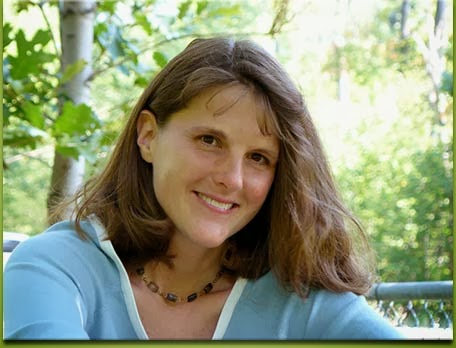
There is always so much going on in the children's literature world in Utah, which is wonderful and fun. But you might look beyond your borders to see what's going on elsewhere. For example, Idaho. We're just up the road a ways. And we seem to become a fantastic venue for kid lit authors to visit. Just in the last few weeks, we've hosted Markus Zusak, Jennifer Neilsen, and next week will be Sherman Alexie plus Andrew Smith.
I'm most excited, of course, about our Boise SCBWI conference in April, which we co-sponsor with the Boise State University Dept. of Literary, Language, and Culture and the Idaho Chapter of the International Literacy Association (formerly the International Reading Association).
This year we have several amazing speakers, including Matt de la Pena, Suzanne Morgan Williams, Utah's own Kristyn Crow, agent Sean McCarthy, and a fantastic panel of local authors.
Our theme is diversity in children's literature, which is a super hot topic right now, and worthy of our attention and examination. This conference is for all who are interested in kit lit, whether teachers, librarians, students, parents, and, yes, authors and illustrators.
You can find more information here: http://bit.ly/1ErbbGu
And to register, scroll down that page and click on the link, or here: http://idcclw.com/
Boise in the spring is a magical place, and taking the time to get away from home and focus on your craft is worth every moment.
By Neysa CM Jensen
SCBWI regional advisor for Utah/southern Idaho
Showing posts with label SCBWI. Show all posts
Friday, March 6, 2015
Saturday, February 7, 2015
Conference season
Oh, to be in New York City right now. The annual SCBWI winter conference is in full swing and I would love to be there, too. Utah’s own James Dashner is giving the keynote on Sunday.
It is the kick off to the 2015 writing conference season. The SCBWI is the biggie, attracting a large national level
LTUE - Feb 12-14
Life, the Universe, and Everything. That about covers it. The conference moniker is borrowed from a Douglas Adams book with the same title. Running now for thirty years, LTUE bills itself as a “three-day academic symposium on all aspects of science fiction and fantasy.” Of course, it deals with “everything” so there’s bound to be something for most any writer. It meets at the Provo Marriott Hotel and Conference Center. For complete information, go to LTUE.net.
Writing for Charity - March 21
This one day event features presenters, many of whom are Utah authors, panel discussions and a chance to have your work discussed with an agent, either Ammi-Joan Paquette or Minju Chang. They have four options for registration, each with varying levels of exposure to the two agents in attendance. Oh, and your registration fees are charitable. Writers for Charity chooses different organizations to donate to with a goal of getting books into the hands of children. They’ll also meet in Provo and more information is available at WritingforCharity.blogspot.com.
LDStorymakers - May 15 & 16
Agents galore and more Utah writers presenting on various aspects of the craft. Martine Leavitt delivers the keynote. Prices vary depending on the degree of involvement you choose. This conference also happens in Provo and their site, LDStorymakers.com provides details.
WIFYR - June 15-19
My personal favorite is Carol Lynch William’s Writing and Illustrating For Young Readers. Like the others, this conference offers agents and Utah authors, and pricing varies. This is a week-long conference and differs from the others in that writers in the morning workshops are more active participants. Listening to a lecturer tends to be a more passive role. The workshops are interactive and intense. Their purpose is to critique and improve your manuscript. The afternoons have presenters and Jennifer Nielsen is the keynote speaker. This conference meets in Sandy and the WIFYR.com website offers details.
It’s winter in NYC, balmy in SLC. I would love to do SCBWI’s conference one of these days. But why spend the money on airfare and lodging when we’ve got some excellent opportunities for writers right here in Utah.
(This article also posted at http://writetimeluck.blogspot.com)
Friday, November 21, 2014
Gifts I Want
It's that time of year when everyone everywhere has a list of gifts for your favorite mom, or golfer, or skier. So here's my list of gifts for writers and readers. Mostly these are things I personally want or like to have, so it's pretty self indulgent. I'm sure you can add items to the list.
I'd like to preface my list with this statement: I am all about gifts of experiences or things that can be used up, consumed. I don't need more stuff in my life, but I do want more life in my life.
1. SCBWI membership for your favorite aspiring/published/nationally known children's author or illustrator. Many of us on this blog are SCBWI members, and I'd just like to throw out a couple of wonderful benefits of this membership. First, it's the world's largest and most respected professional organization for children's publishing. It's important to your career to belong to the professional organization for your industry. We have great programs, great publications, resources of all kinds, networking, critiquing, and conferences. You'll make contacts with editors and agents, fellow authors, and learn from the best.
2. Audio books. Personally, I have never outgrown my love of being read aloud to. My mom hooked me early on, and my fourth grade teacher read to us every day after lunch. My husband reads to me every night before bed. When I was in the hospital once, he read me Beatrix Potter stories. Audio books are perfect for car trips, subway rides, plane travel, or just doing the dishes. I have an app on my phone, so I can take my audio books anywhere I go. And when the hubby is out of town, I let my audio book read to me before bed.
3. This one is sort of obvious. Gift cards to bookstores. One of the highlights of our Christmas celebrations is going to the bookstore after Christmas and using our gift cards. I prefer indie bookstores.
4. Send your favorite author/illustrator to a conference. There are dozens of workshops and events close by, or if you want to splurge, send them somewhere like Highlights workshops or Big Sur. Of course, SCBWI conferences are awesome, and there are many. The big ones in LA and NYC every year, as well as regional conferences all across the U.S. and around the world. Go to http://www.scbwi.org/events-home/ to check out all the possibilities. Conferences are invaluable investments in perfecting one's craft and meeting people in the industry.
5. Pens and paper. Yes, I know it's the age of the computer and other electronics, but I have yet to find an author or illustrator who doesn't use the old-fashioned method once in a while. I keep a notebook with me wherever I go to jot down ideas, images, resources, etc. I used to write out all my first drafts in longhand, and even now that I've trained myself to write at the computer, I still occasionally like to write a chapter on paper. It uses a different portion of the brain. If you don't know what your author friend likes, a gift card to an office supply store is also a good bet.
6. Chocolate. I don't think this needs any explanation, except that I prefer the highest quality dark chocolate available.
7. Coffee. See #6.
8. Time. Writers need time. Life is busy and there are a million other things demanding our attention. Give your writer the gift of time. A weekend at a cabin. A babysitter once a week. An offer to do the dishes every night (or insert appropriate chore here) while he/she writes. A nudge to attend a critique group.
9. Buy your writer/illustrator a critique with an editor/agent through one of the conferences in our area. Learning what professionals see in your writing is so important and valuable.
10. A puppy. So this is personal, but I have to include it. My dogs are always by my side when I'm writing. I have two of them. But I've been asking for a golden retriever for almost a year, and if anyone who loves me wants to buy me one, that would be the best gift. Pets comfort you when the writing isn't going well. They encourage you to get out for a walk when your butt has gone numb from the butt-in-chair work ethic. They are also characters in many children's books. There's a reason for that.
There you have it. A complete guide for gift-giving for the writer. Print it out and give it to your family, or use it to thoughtfully gift your writerly friends. Or hound my hubby about giving me a puppy.
by Neysa CM Jensen
up in Boise, Idaho
I'd like to preface my list with this statement: I am all about gifts of experiences or things that can be used up, consumed. I don't need more stuff in my life, but I do want more life in my life.
1. SCBWI membership for your favorite aspiring/published/nationally known children's author or illustrator. Many of us on this blog are SCBWI members, and I'd just like to throw out a couple of wonderful benefits of this membership. First, it's the world's largest and most respected professional organization for children's publishing. It's important to your career to belong to the professional organization for your industry. We have great programs, great publications, resources of all kinds, networking, critiquing, and conferences. You'll make contacts with editors and agents, fellow authors, and learn from the best.
2. Audio books. Personally, I have never outgrown my love of being read aloud to. My mom hooked me early on, and my fourth grade teacher read to us every day after lunch. My husband reads to me every night before bed. When I was in the hospital once, he read me Beatrix Potter stories. Audio books are perfect for car trips, subway rides, plane travel, or just doing the dishes. I have an app on my phone, so I can take my audio books anywhere I go. And when the hubby is out of town, I let my audio book read to me before bed.
3. This one is sort of obvious. Gift cards to bookstores. One of the highlights of our Christmas celebrations is going to the bookstore after Christmas and using our gift cards. I prefer indie bookstores.
4. Send your favorite author/illustrator to a conference. There are dozens of workshops and events close by, or if you want to splurge, send them somewhere like Highlights workshops or Big Sur. Of course, SCBWI conferences are awesome, and there are many. The big ones in LA and NYC every year, as well as regional conferences all across the U.S. and around the world. Go to http://www.scbwi.org/events-home/ to check out all the possibilities. Conferences are invaluable investments in perfecting one's craft and meeting people in the industry.
5. Pens and paper. Yes, I know it's the age of the computer and other electronics, but I have yet to find an author or illustrator who doesn't use the old-fashioned method once in a while. I keep a notebook with me wherever I go to jot down ideas, images, resources, etc. I used to write out all my first drafts in longhand, and even now that I've trained myself to write at the computer, I still occasionally like to write a chapter on paper. It uses a different portion of the brain. If you don't know what your author friend likes, a gift card to an office supply store is also a good bet.
6. Chocolate. I don't think this needs any explanation, except that I prefer the highest quality dark chocolate available.
7. Coffee. See #6.
8. Time. Writers need time. Life is busy and there are a million other things demanding our attention. Give your writer the gift of time. A weekend at a cabin. A babysitter once a week. An offer to do the dishes every night (or insert appropriate chore here) while he/she writes. A nudge to attend a critique group.
9. Buy your writer/illustrator a critique with an editor/agent through one of the conferences in our area. Learning what professionals see in your writing is so important and valuable.
10. A puppy. So this is personal, but I have to include it. My dogs are always by my side when I'm writing. I have two of them. But I've been asking for a golden retriever for almost a year, and if anyone who loves me wants to buy me one, that would be the best gift. Pets comfort you when the writing isn't going well. They encourage you to get out for a walk when your butt has gone numb from the butt-in-chair work ethic. They are also characters in many children's books. There's a reason for that.
There you have it. A complete guide for gift-giving for the writer. Print it out and give it to your family, or use it to thoughtfully gift your writerly friends. Or hound my hubby about giving me a puppy.
by Neysa CM Jensen
up in Boise, Idaho
Labels:
bookstores,
conferences,
craft,
gifts,
paper,
SCBWI,
Workshops,
Writing
Thursday, October 16, 2014
Critique Groups
If I could give only one piece of advice to those who want to write for children and teens, it would be to find a good critique group and make a commitment to it. I value my critique group more than you can imagine. Some of us have been in it for more than 10 years, while others are fairly new. They are all amazing writers, and as we have evolved, we have learned what works for us. Most importantly, we have learned how to offer really useful and necessary critiques, which is definitely a skill that can be learned and perfected and which doesn't necessarily just happen.
How to find or form a critique group:
One easy way is to check out the SCBWI walk-in critique groups via the web site. These are walk-in groups, so you can simply arrive and check it out. You might find others with whom you'd like to start a regular group.
While on the web site, you can also contact one of our region's critique group coordinators to get their help in finding others near you.
Attend local writing events, including SCBWI meetings and conferences, where you might meet others to form a group or others who are looking for a new group member.
Post on the SCBWI Utah/southern Idaho Facebook page and see if others want to form a group with you.
How do critique groups work?
There are several logistical choices available to a group.
PLACE and FREQUENCY: Some groups meet weekly, others monthly. Some are online groups. The group might have to try different meeting options to find what works best for that unique group of people. My critique group meets in one another's homes. I've been in other groups that meet in a public place or the home of just one group member or a mentor.
MANUSCRIPT SUBMISSION: I've seen this issue handled dozens of ways. In one group we brought several copies of our submissions to the meeting, where each person would receive a copy to read along as the author read out loud. This was fun for me, as I love being read to, but it had some limitations as far as critiques. Reading aloud took up much of our meeting time, and the critiques usually weren't very in-depth, as the readers never had time to ponder or reread the piece. My current critique group sends in 1-2 chapters (we are all working on novels, so this works for us) about a week before the group meets. It is up to each group member to read all the submissions before coming to the meeting. Then we use our meeting time more efficiently, as we jump right into critiques. Some groups do only a few pages of each manuscript each time, while others will do large chunks. How you handle this depends on a lot of factors, such as how many people are in the group, how much each person is writing between meetings, and how much time you have during a meeting. My group meets on Saturday evenings, so we can take more or less time if we feel like it. A group I used to be in met on Wednesday evenings and had only two hours to get through about eight manuscripts, so we were very focused and limited.
NUMBER OF PEOPLE: I think the ideal size of a critique group is somewhere between 3-8 people. More than that is just unwieldy in terms of having enough time to give each person a useful critique. You want at least three people so you have a diversity of opinions. I value the varied opinions of my critique group members, because if they ALL agree, I am pretty certain what needs to be revised. And if they don't all agree, I can pick and choose which approach I might take.
HOW TO CRITIQUE: This is the crucial piece. Some people like to focus on commas and spelling. That's not critique. I suggest focusing on questions. If something brings up a question for a reader, that is useful information for the author. If you're writing a mystery, those questions may be exactly what you're going for. On the other hand, maybe you thought you were being really clear, but the critiquers' questions indicate you need to do some revising to get at the clarity you want. Another way to look at the big picture is to think about the main elements like character, setting, plot, world building, etc. Sometimes it's fun to bring some useful exercises or information from any conference or workshop you've attended and focus on that element in all the manuscripts. The "sandwich" critique is always a nice way to approach a work: say the things you like in the manuscript, then concentrate on problem areas, then end with more nice things.
CHOOSING/ADDING MEMBERS: Our critique group is straightforward and sometimes ruthless. We are all veteran critiquers who are used to the give and take of brutal critique (not mean or harsh, but just absolutely honest), and not everyone is up for that. Some people have less thick skins and require a softer approach. We screen any potential new members to make sure they are up for our kind of blunt critique. If everyone can be honest about what they are ready for, it helps. I find it's also helpful if all the members of the group are writing in the same genre--such as picture books or YA. One magazine writer in a group I used to be in felt like her two pages each month versus everyone else's full chapter was just not a fair give and take. She was not the best fit for the group.
My best advice is to find a group of fellow children's writers and jump in. Be patient with each other and with the process as you find your way as a unit. If you feel like you don't know what you're doing, maybe occasionally bring in a more experienced author for some mentoring, or do some research. There are plenty of books on starting critique groups. Attending conferences and workshops will also teach you skills that will help you improve your critiquing skills.
by Neysa CM Jensen
in Boise, Idaho
How to find or form a critique group:
One easy way is to check out the SCBWI walk-in critique groups via the web site. These are walk-in groups, so you can simply arrive and check it out. You might find others with whom you'd like to start a regular group.
While on the web site, you can also contact one of our region's critique group coordinators to get their help in finding others near you.
Attend local writing events, including SCBWI meetings and conferences, where you might meet others to form a group or others who are looking for a new group member.
Post on the SCBWI Utah/southern Idaho Facebook page and see if others want to form a group with you.
How do critique groups work?
There are several logistical choices available to a group.
PLACE and FREQUENCY: Some groups meet weekly, others monthly. Some are online groups. The group might have to try different meeting options to find what works best for that unique group of people. My critique group meets in one another's homes. I've been in other groups that meet in a public place or the home of just one group member or a mentor.
MANUSCRIPT SUBMISSION: I've seen this issue handled dozens of ways. In one group we brought several copies of our submissions to the meeting, where each person would receive a copy to read along as the author read out loud. This was fun for me, as I love being read to, but it had some limitations as far as critiques. Reading aloud took up much of our meeting time, and the critiques usually weren't very in-depth, as the readers never had time to ponder or reread the piece. My current critique group sends in 1-2 chapters (we are all working on novels, so this works for us) about a week before the group meets. It is up to each group member to read all the submissions before coming to the meeting. Then we use our meeting time more efficiently, as we jump right into critiques. Some groups do only a few pages of each manuscript each time, while others will do large chunks. How you handle this depends on a lot of factors, such as how many people are in the group, how much each person is writing between meetings, and how much time you have during a meeting. My group meets on Saturday evenings, so we can take more or less time if we feel like it. A group I used to be in met on Wednesday evenings and had only two hours to get through about eight manuscripts, so we were very focused and limited.
NUMBER OF PEOPLE: I think the ideal size of a critique group is somewhere between 3-8 people. More than that is just unwieldy in terms of having enough time to give each person a useful critique. You want at least three people so you have a diversity of opinions. I value the varied opinions of my critique group members, because if they ALL agree, I am pretty certain what needs to be revised. And if they don't all agree, I can pick and choose which approach I might take.
HOW TO CRITIQUE: This is the crucial piece. Some people like to focus on commas and spelling. That's not critique. I suggest focusing on questions. If something brings up a question for a reader, that is useful information for the author. If you're writing a mystery, those questions may be exactly what you're going for. On the other hand, maybe you thought you were being really clear, but the critiquers' questions indicate you need to do some revising to get at the clarity you want. Another way to look at the big picture is to think about the main elements like character, setting, plot, world building, etc. Sometimes it's fun to bring some useful exercises or information from any conference or workshop you've attended and focus on that element in all the manuscripts. The "sandwich" critique is always a nice way to approach a work: say the things you like in the manuscript, then concentrate on problem areas, then end with more nice things.
CHOOSING/ADDING MEMBERS: Our critique group is straightforward and sometimes ruthless. We are all veteran critiquers who are used to the give and take of brutal critique (not mean or harsh, but just absolutely honest), and not everyone is up for that. Some people have less thick skins and require a softer approach. We screen any potential new members to make sure they are up for our kind of blunt critique. If everyone can be honest about what they are ready for, it helps. I find it's also helpful if all the members of the group are writing in the same genre--such as picture books or YA. One magazine writer in a group I used to be in felt like her two pages each month versus everyone else's full chapter was just not a fair give and take. She was not the best fit for the group.
My best advice is to find a group of fellow children's writers and jump in. Be patient with each other and with the process as you find your way as a unit. If you feel like you don't know what you're doing, maybe occasionally bring in a more experienced author for some mentoring, or do some research. There are plenty of books on starting critique groups. Attending conferences and workshops will also teach you skills that will help you improve your critiquing skills.
by Neysa CM Jensen
in Boise, Idaho
Saturday, July 19, 2014
The writing habit
Taking time away from writing is hard sometimes. Getting back into it is even harder.
The year has been a productive one for me. I found that if I log my writing time, I am more encouraged to keep at it each day. Using an Excel sheet, I’ve recorded the number of minutes on a particular writing task, and the same for the next one. At the end of the day, I’ve totaled the time and converted to hours. Each daily count was added and then averaged. For the first half of the year I’ve been spending just a tad over four hours a day on some writing activity. Not all of it was actual writing. Some was fulfilling WIFYR assistant duties or meeting with my critique group or attending a writing presentation. But still, four hours is four hours.
The day after WIFYR, my family whisked me away to Europe. What was I to do about my writing? I was in a groove and was quite enjoying a regular dose of scribbling down words. Plus, I didn’t want to mess up my daily writing average. Yet, with the activities planned, I could tell early on my laptop was not going to get much use. Add to the fact it would be a nuisance to haul around, I chose give myself a break from it altogether.
And that was okay. I missed it, and thought about my works-in-progress, and spent a few minutes in my characters’ heads, but I managed to live without writing.
Now that I’m home, I’ve been surprised at how slow it has been to get back into the swing of things. Blame it on jet lag or whatever, I haven’t been productive. I can’t get motivated to open the laptop and when I do, the story I was so enthused about a few weeks back seems impossible to resume.
Fortunately, the habit is beginning to return. Two SCBWI events this week has helped. The editor at WIFYR gave us ’til the end of July to submit to her. My writer’s group is providing a boot to the backside to help that deadline become a reality. I’m a writer and words insist on being written.
(This article also posted at http://writetimeluck.blogspot.com)
Friday, July 18, 2014
SCBWI Is Here for You
If you're involved in children's writing and/or illustrating in any way (which I assume you are since you're reading this blog), and if you don't already know about SCBWI, let me enlighten you. Because this organization will help you in perfecting your craft, learning about the industry, connecting with colleagues, and avoiding many mistakes that will save you time.
The world's most unpronounceable acronym stands for the Society of Children's Book Writers and Illustrators. Our international headquarters is based in Los Angeles, and we have regional chapters throughout the world. The region we're in is Utah/southern Idaho. You can learn lots more at the web site scbwi.org and at our region's page on that site.
Tonight--yes, July 18, 2014--you have a chance to connect in person with others in the organization, including me. We're gathering for the annual summer potluck, which is just a time to socialize, talk shop, and generally have a blast. Here are all the details:
The world's most unpronounceable acronym stands for the Society of Children's Book Writers and Illustrators. Our international headquarters is based in Los Angeles, and we have regional chapters throughout the world. The region we're in is Utah/southern Idaho. You can learn lots more at the web site scbwi.org and at our region's page on that site.
Tonight--yes, July 18, 2014--you have a chance to connect in person with others in the organization, including me. We're gathering for the annual summer potluck, which is just a time to socialize, talk shop, and generally have a blast. Here are all the details:
Hello writers and illustrators in Utah and Southern Idaho!
Writing or illustrating can be a lonely endeavor, so join us this summer for some much-needed social time. We'll be coming together at the Rice Terrace Pavilion at Liberty Park (600 E. 900 S. in Salt Lake City, Utah) on Friday, July 18th from 6pm-9pm to eat and mingle.
You don't have to be a member of SCBWI to join us for this free event, so bring all your writing or illustrating friends with you. The more the merrier!
Potluck assignments are as follows:
YA writers: pasta salads, potato salads, deviled eggs
MG writers: fruit, fruit salads, desserts
Picture Book writers: fried chicken, finger sandwiches, other finger foods
Illustrators: green salads, chips and dips
MG writers: fruit, fruit salads, desserts
Picture Book writers: fried chicken, finger sandwiches, other finger foods
Illustrators: green salads, chips and dips
You may want to bring your own lawn chair as well.
SOCIAL NETWORKING AT THE SOCIAL:
Are you still struggling to figure out where to start with your online presence? Bring your smartphones and other wifi-enabled devices and we'll help you get connected. We'll have teachers on hand to walk you through the steps to signing up and using your social networks of choice, as well as offer suggestions on ways to contibute to the online conversation.
THE VIRTUAL PARTY:
Can't make it to the social? This year you can join us virtually! We will be using the hashtags #GoSocial and #SCBWIUtahSouthIdaho for this event, so you can follow the event on twitter, instagram, and other social networks.
We hope to see you at the social (in person or online)!
For a map and directions to the pavilion, please visit our website at http://utahsouthidaho. scbwi.org/events/2014utah- summer-potluck-social/
Friday, May 16, 2014
The Great Critique
Giving and receiving critiques on your writing is one of the most helpful and necessary parts of the process. I value my critique group beyond any other writing tools I have. They let me know what works and what doesn't, when something I thought was crystal clear is not, and when my characters are acting out of character. They offer encouragement and cheerleading.
Not only has constant critique made me a better writer, it has made me a more professional writer. When I receive notes from agents, editors, and other professionals, I am able to receive the notes with a professional calmness. I don't get defensive. I get revising.
I hope everyone who writes is able to find a group or a few trusted beta readers who can offer valuable critique, but I know that there are quite a few writers in our SCBWI region (Utah and southern Idaho) who may not even know any other writers in their community. Or perhaps they don't know how to get a group started. Or have never critiqued anyone else's work and feel inadequate.
That is why we started a region-wide event called The Great Critique. We give you the opportunity to meet with other children's writers in your area and critique away. On one day, August 9, we all meet throughout the region, helping each other become better writers (and illustrators--they get to participate as well!). During the summer, you'll receive excerpts from manuscripts by the others registered in your area. You'll read them, prepare comments, and then meet in August for live critiquing. And if you don't have a meeting close by, we offer an online location as well. This event is FREE, and we hope you take advantage of it.
In addition, if you wish to have a critique from a publishing house editor or an agent, you can register for that through our web site. And for an extra bonus, you can get a professional query critique.
You'll find all the details on our registration page. So there are no excuses. Sign up NOW. Registration is open until June 15.
by Neysa CM Jensen
your regional advisor for SCBWI
(I live in Boise, Idaho, but don't hold that against me.)
Not only has constant critique made me a better writer, it has made me a more professional writer. When I receive notes from agents, editors, and other professionals, I am able to receive the notes with a professional calmness. I don't get defensive. I get revising.
I hope everyone who writes is able to find a group or a few trusted beta readers who can offer valuable critique, but I know that there are quite a few writers in our SCBWI region (Utah and southern Idaho) who may not even know any other writers in their community. Or perhaps they don't know how to get a group started. Or have never critiqued anyone else's work and feel inadequate.
That is why we started a region-wide event called The Great Critique. We give you the opportunity to meet with other children's writers in your area and critique away. On one day, August 9, we all meet throughout the region, helping each other become better writers (and illustrators--they get to participate as well!). During the summer, you'll receive excerpts from manuscripts by the others registered in your area. You'll read them, prepare comments, and then meet in August for live critiquing. And if you don't have a meeting close by, we offer an online location as well. This event is FREE, and we hope you take advantage of it.
In addition, if you wish to have a critique from a publishing house editor or an agent, you can register for that through our web site. And for an extra bonus, you can get a professional query critique.
You'll find all the details on our registration page. So there are no excuses. Sign up NOW. Registration is open until June 15.
by Neysa CM Jensen
your regional advisor for SCBWI
(I live in Boise, Idaho, but don't hold that against me.)
Saturday, May 10, 2014
Social media for authors: Facebook
I’ve been working with Elissa Cruz, our local SCBWI chapter Assistant Regional Advisor, looking ahead to a potluck social this summer. (It is Friday, July 18 at Liberty Park in Salt Lake City, by the way.) As it is a “social,” we were thinking social media and how it impacts writers would be the theme for the evening.
Publishers are more interested in taking on authors who have a strong social media platform with which to help promote their books. It stands to reason that establishing an online presence is something writers would want to do. But how does one go about that?
In the next few weeks, this very question will be examined. Being woefully deficient in this phenomenon, others better qualified to lead such a discussion will be referenced. Of course, your comments and suggestions on the matter are appreciated.
Various internet articles discuss the specific social media sites best to use and the general consensus seems to be Facebook, Twitter, Pinterest, Goodreads, Google+, and Linkedin. Facebook is the granddaddy of them all and it would be prudent to ride along its coattails. I was surprised Goodreads came up on several sites as I subscribe to it just for the reading suggestions it makes. One site declares Goodreads and Facebook as mandatory in the writer’s social media inventory.
Let’s start with Facebook. I’ve had an account for a while but rarely went there. Then people kept telling me my brother is a funny guy on FB. I started checking out his page and yes, he is. Who new? Now I’m lurking there more frequently, occasionally “liking” something or leaving a comment.
So, what am I supposed to do now, start spouting writerly things on Facebook? Probably only my family would notice and they wouldn’t care.
Nathan Bransford, whose blog I follow, has posted twice on the subject. He says it is possible to have multiple pages on FB so you can keep your personal connections separate from your author pages. One of his posts, Facebook for Authors - How to get Started was written in 2011, but is relevant today. Bransford suggests authors create two pages, one an author fan page to create now and a book page once you have a cover for it. Admittedly, the fan page is presumptuous if one isn’t a celebrity. But, he says, you should create a fan page now even if you aren’t yet a publish author.
Want to set up a fan page? You can follow his link and he gives directions on how to do that. I just created one and it was fairly simple. Scott Rhoades created one for this Utah Children’s Writes blog. You can access it here: https://www.facebook.com/groups/1441614632721608/
I still have few things I’m not sure about. Bransford says if you want to “promote your book stuff,” you should turn on subscriptions, thus allowing people to subscribe to your public posts. Do I want to do that? Not sure. I tried to edit settings and got stymied by the instructions. Nathan Bransford’s post also has more information on optimizing your page with Like Buttons, something I need to look into.
Nonetheless, I now have an online writing presence. My page is here: https://www.facebook.com/brucethewriter. If more of us create fan pages then share, we could “like” and help build each others’ platforms.
Happy social media platform building.
And: WIFYR is still accepting writers wanting to improve their craft.
(This article also posted at http://writetimeluck.blogspot.com)
Friday, March 7, 2014
Facing Failure
A couple of weekends ago I was in New York City at the SCBWI winter conference. (If you don't know about SCBWI, I will happily explain it to you.) One of the most memorable talks for me was Kate Messner's examination of the power of failure.
We writers are certainly familiar with failure. How many rejections have you received? How many revisions have you had to make? How many published books failed to sell out? It happens.
What Messner
encouraged us to do is to change our perception about failure. Instead of looking at failure as a negative, she suggested we look at it as the fastest and best way to achieve our goals. In fact, she said, we should be trying to fail as often as possible.
Okay, I know it sounds counter intuitive. Shouldn't we be aiming for success, after all?
Here's an example she gave. A study divided a group of artists into two groups. Let's say they were making pottery. The first group was told they would be graded on achieving one really excellent pot. They did not have to worry about how many pots they made--just one really good one and they'd ace the class. The second group was told to produce as many pots as they could--the more they made, the higher their grade. Quality was irrelevant.
At the end of the study, a panel examined the pottery samples to determine the best ones produced by both groups together. What the observers found was that the group that made many, many pots also produced the best pots. Why? Failure. They produced one pot after another after another. And they learned things. What worked. What techniques produced a stable pot. How to make the pot symmetrical. And so on.
This pretty much applies to any endeavor really. I know dozens of writers who are so concerned about producing the perfect manuscript, that they never produce another. I knew a man in a workshop I attended who had been working the same novel over and over for 20 years.
When I wrote my first novel, I was guilty of this. It took me about ten years of working on it (granted, sporadically, as I was also raising children) to get it "good enough" to start submitting. It got a few positive rejections. Failure.
Since then, I have written several more novels and half a dozen more in my brain. Once I let go of that one needs-to-be-perfect manuscript, I was able to forge ahead and produce many more, all of which are infinitely better than that first one. In fact, (surprise, surprise) each one is better than the last. What if I just kept writing as many as I could and never stopped. I'd produce a lot of failures. But I'd also produce a few really good books.
I liken this to shooting darts at a dartboard. The more darts you throw, the more likely your chance of hitting a bulls-eye. Right?
So as you start this new week, look for ways to fail. Embrace it. Do it some more. And learn.
If you'd like to explore the topic more, see Fail Fast, Fail Often: How Losing Can Help You Win, by Ryan Babineaux and John Krumboltz.
We writers are certainly familiar with failure. How many rejections have you received? How many revisions have you had to make? How many published books failed to sell out? It happens.
What Messner
encouraged us to do is to change our perception about failure. Instead of looking at failure as a negative, she suggested we look at it as the fastest and best way to achieve our goals. In fact, she said, we should be trying to fail as often as possible.
Okay, I know it sounds counter intuitive. Shouldn't we be aiming for success, after all?
Here's an example she gave. A study divided a group of artists into two groups. Let's say they were making pottery. The first group was told they would be graded on achieving one really excellent pot. They did not have to worry about how many pots they made--just one really good one and they'd ace the class. The second group was told to produce as many pots as they could--the more they made, the higher their grade. Quality was irrelevant.
At the end of the study, a panel examined the pottery samples to determine the best ones produced by both groups together. What the observers found was that the group that made many, many pots also produced the best pots. Why? Failure. They produced one pot after another after another. And they learned things. What worked. What techniques produced a stable pot. How to make the pot symmetrical. And so on.
This pretty much applies to any endeavor really. I know dozens of writers who are so concerned about producing the perfect manuscript, that they never produce another. I knew a man in a workshop I attended who had been working the same novel over and over for 20 years.
When I wrote my first novel, I was guilty of this. It took me about ten years of working on it (granted, sporadically, as I was also raising children) to get it "good enough" to start submitting. It got a few positive rejections. Failure.
Since then, I have written several more novels and half a dozen more in my brain. Once I let go of that one needs-to-be-perfect manuscript, I was able to forge ahead and produce many more, all of which are infinitely better than that first one. In fact, (surprise, surprise) each one is better than the last. What if I just kept writing as many as I could and never stopped. I'd produce a lot of failures. But I'd also produce a few really good books.
I liken this to shooting darts at a dartboard. The more darts you throw, the more likely your chance of hitting a bulls-eye. Right?
So as you start this new week, look for ways to fail. Embrace it. Do it some more. And learn.
If you'd like to explore the topic more, see Fail Fast, Fail Often: How Losing Can Help You Win, by Ryan Babineaux and John Krumboltz.
Labels:
books,
failure,
Kate Messner,
SCBWI,
Writing
Tuesday, September 17, 2013
Upcoming Free SCBWI Event in Provo: Managing Your Time and Creativity
by Deren Hansen
The Utah/Southern Idaho chapter of the SCBWI has undertaken to host events along the Wasatch. Many of these events are free and open to SCBWI members and non-members alike. You can find what's currently scheduled at the events page for our region.
On Friday, September 27, 2013, SCBWI is hosting a round-table discussion on, "Managing Your Time and Creativity" at the Provo Library (550 N. University Ave., Provo, UT) from 6:30 - 8:30 pm.
Contact: Elissa Cruz
Deren Hansen is the author of the Dunlith Hill Writers Guides. If you're interested in this topic, you may also want to look at: Sustainable Creativity: How to Enjoy a Committed, Long-term Relationship with your Muse. Learn more at dunlithhill.com.
The Utah/Southern Idaho chapter of the SCBWI has undertaken to host events along the Wasatch. Many of these events are free and open to SCBWI members and non-members alike. You can find what's currently scheduled at the events page for our region.
On Friday, September 27, 2013, SCBWI is hosting a round-table discussion on, "Managing Your Time and Creativity" at the Provo Library (550 N. University Ave., Provo, UT) from 6:30 - 8:30 pm.
"This roundtable discussion with focus on ways to manage your time and creativity while writing and/or illustrating. Please bring any great ideas you have about this topic and be prepared to share them with all, or just come to soak in the wisdom of your fellow writers and illustrators."
Contact: Elissa Cruz
Deren Hansen is the author of the Dunlith Hill Writers Guides. If you're interested in this topic, you may also want to look at: Sustainable Creativity: How to Enjoy a Committed, Long-term Relationship with your Muse. Learn more at dunlithhill.com.
Saturday, July 13, 2013
Community
Several writers and illustrators met last evening in Salt
Lake’s Liberty Park. It is a pleasure being a part of the local writing
community.
Local is a relative term. The Utah portion of the SCBWI
regional chapter planned the thing. Some came from Utah County, others Davis or
Salt Lake. Two of us came down from Cache. I live near the park so it was a
short drive for me. I could have walked.
A lot of illustrators were there last night. A PB person
came up to me hoping there were others like her; there were. We had YA and MG
and people writing blogs, magazine articles, or for adults. Some faces were
familiar and I met new people.
It was refreshing to socialize with other like-minded
people. Writing is a solo business (though we had some partner writers in
attendance, too). It is self-absorbed thing we participate in. There are always
other obligations and sometimes it is hard to steal away. But when we do
escape, we leave real people behind and hang with imaginary ones. When you pull
out, family and life are still there and wants your time. It’s hard to find more
time, but spending an evening with fellow writers and illustrators is a nice
thing to do.
Kudos to Elissa Cruz, the local SCBWI official, for
organizing the potluck dinner. Elissa heads up things for Utah writers while
Neysa Jensen holds up the Southern Idaho end of our region. Elissa is trying to
plan something bi-monthly. She plans them to be in Utah and Salt Lake counties
and the Ogden area as well, making the various functions close to all sometime throughout
the year. We miss the southern Utah folks, but in such a large geographic area,
that is understandable.
The topic for the evening was social networking and how to
get your name out there. Pinterest, Facebook, and Twitter came up. There were
ideas for blogging and some shared the printing of business cards or postcards
to have something physical to share.
All children’s book writers and illustrators should jump in and
join one of these sessions periodically. We are a community.
Saturday, May 11, 2013
Those nasty adverbs
I’m probably not the one to talk about this.
I use them a lot. Religiously, in fact. They just inadvertently
slip in. I write away and Miss Anti-ly Lady - she’s an awesome critiquers - finds
them. Inevitably. What’s wrong with a few adverbs here and there? How do you do
without them? I mean really?
Some of them I can do without. When Anti-ly sees them, and
she sees them all, a good most of them don’t need to be there. I pull them out.
But others I like.
I have been studying the idea and pulled ideas from the
sites listed below. There are a few reasons not to use adverbs. They weaken
your writing. It shows the author somehow needs to choose another way to
express an idea. And lastly, a while ago as they were compiling a book of rules
for writers, someone said don’t use –ly words. Everybody went along with it and
now it’s the law.
In terms of weakened writing, I understand and I agree. It’s
a show, don’t tell thing. The following, for example, presents one sentence stronger
than the other.
-“Why did you do
that?” she asked angrily.
-“Why did you do
that?” she hissed.
It does show a physical cliché that Julie Daines referred to
in a February
post. But without the adverb, it is stronger.
There are adverbs that are unnecessary.
-Jack stealthily hid
behind the door. He quickly pulled out a knife. He finally decided to confront
his assailant.
None of the sentences need the adverbs. June Casgrande blogs
that they are stronger without them. And packed in a tight space the wording doesn’t
sound comfortable.
The Emert site gives great examples of superfluous adverbs.
The adverb is unnecessary in the radio
blared loudly or totally
flabbergasted as blared infers loud and flabbergasted implies astonishment
that is total.
I get that. But adverbs must exist for a reason. A health
nut would want to know if her food is organically grown. When a person smiles,
they could smile mischievously but if they did so shyly, wickedly, or joyfully,
it paints a different picture. Sometimes messages must be spoken emphatically. You
can’t have your characters give up –ly words just to fall back to physical
clichés. I like adverbs.
What is wrong with adverbs in dialogue? My middle grade MC
is still working on figuring out his place in the world and he uses adverbs.
Seriously. It is how kids and people speak. If I want my dialogue to sound
kid-like, seems an adverb here or there wouldn’t hurt.
The most persuasive site I found in objection to adverbs is
Erik Emert’s 2001site.
This is a compilation of the rules, the ones writers are
supposed to adhere to. Emert sites some big names in writing, Browne and King,
and others, so you have to listen. Perhaps I am too much of an amateur to fully
understand. And please pardon my adverb. It just slipped in. But it clarifies
my meaning.
So, “they” say you shouldn’t use –ly words. Others justify
their existence if used judiciously. For Anti-ly Lady, they stick out. I don’t
know about you, but I’ll still slip a few in once in a while.
Carol Williams shared a story at an SCBWI event this year.
She had laid down the law on adverbs. A student dutifully obeyed but had a heck
of a time avoiding referring to her family. And they couldn’t fly anywhere. I
say let’s lighten up on –ly words.
Seriously.
WYFIR
reminder. Don't be too late to sign up for this wonderful conference. Discount
for SCBWI members.
References
Saturday, March 16, 2013
Critiquing
The local chapter of SCBWI sponsored an event last night
where three dozen writers listened to Carol Lynch Williams discuss the art of
critiquing. Carol knows her stuff. She writes, she blogs, and is a creative
writing instructor at BYU. Carol heads up the annual WIFYR conference. In her
quiet but humorous style, she shared her thoughts.
The purpose of critiquing is to improve writing. We get too
close or so attached to our own work that we can’t see the flaws. We need fresh
eyes to look at it and that is what a critique group can provide. It is a
mutually agreed upon thing. You will look at another writer’s story and try to
make it better, trusting they will do the same for you.
It is important to find the right people with which to form
a writer’s group. There is a lot of trust involved, not only that each member
will dedicate their time to your work, but also they will do so in a positive,
yet constructive manner. Ask not only what your critique group can do for you.
Ask what you can do for them. It usually is the same things.
The rules and expectations should be clearly laid out ahead
of time. Dates for submissions and meetings should provide enough time for all
participants to read through and make comments. Obviously the faults of a work
must be pointed out. A mention should also be made of the positive points, the
things that worked well. Carol says the one being critiqued should remain
silent, that if there is anything they need to explain, it should have come out
in the writing.
Some writers fear a critique. They spend hours on a piece,
massaging it to perfection, then don’t want to share with others who could find
its flaws. An ideal critique group will treat your precious baby with tender
care, offering suggestions for its growth and development.
Ultimately with a critique, you are the writer. Your group
can make suggestions but it is your work. It is your story, your vision, so go
with your gut.
Carol said there were four steps to do before sharing with a
writer’s group. You should first read your piece silently on the computer and
make changes. Then you should read it aloud on screen and make changes. Then
print the piece and repeat the steps. I’m okay with the silent reading. It’s
the reading out loud that struck me as problematic. Not sure the rest of the
family wants to listen to that and I don’t feel like sitting in my car doing
so. Yet as a teacher, I’ve asked my students to do the same. I made little
reading phones out of PCV pipe. Kids can whisper their story without much
disruption of the rest of the class. It is amazing the mistakes you find when
listening to your own writing. I may have to pull one of those things home.
If you want a pat on the back, go somewhere else. If you
want to improve your work, take it to a critique group. Then be willing to
listen with an open mind.
Matt Kirby once told Carol that he would rather not be
published at all if his work were not the best writing he could produce.
Saturday, March 9, 2013
Children's Writer Goddess
The level of children’s writer talent in the Utah is
notable. Publishers in New York refer to this phenomenon as the Mormon Mafia.
One of those responsible for setting the bar high, then pulling writers up to
it is Carol Lynch Williams.
Carol is more than just a remarkable writer, though an
amazing writer she is. Waiting and Miles from Ordinary: A Novel are her
most current books. My favorite, however, is The Chosen One, a look at the world from the eyes of a girl in a
polygamous community.
She is more than a teacher. Carol teaches creative writing
at BYU. She has nurtured and fostered the creative genius of numerous writers
who respect and admire her.
What elevates Carol to goddess stature is the annual gift
she gives the children’s writing community. Writing and Illustrating For Young
Readers, or WIFYR, is an amazing place to
mingle and learn with fellow writers at all levels. Now in its 14th
year, Carol consistently pulls in a cast of talented faculty members willing to
share their expertise. These published authors conduct morning workshops and
speak at afternoon breakout sessions. Carol pulls in agents and editors from
the publishing houses seeking to tap into the Mormon Mafia talent base. They
respect what Carol does and appreciate the commitment these writers show with their
attendance at such an event.
This summer she will bring the magic again. Registration is
open now and the conference is set for June 17-21 at the Waterford School in
Sandy. (Click here for registration info.)
Subscribe to:
Posts (Atom)